Dryer Vent Caps on Wooded Lots: Moss, Nests and Lint
Tall trees, damp shade and wildlife can block the outside dryer vent cap. How to check yours and when to call for a cleaning in Maple Valley, WA.
If your home sits among tall firs and cedars, you already know the trade-offs: shade, privacy, and a steady fall of needles on the roof, deck and gutters. One spot people rarely check is the small hood on the side of the house where the dryer exhausts. On wooded lots around Maple Valley, that cap deals with more debris and moisture than most, and it's often the first place a dryer vent starts to clog.
Why the outside cap matters so much
Your dryer pushes hot, humid air and fine lint through the vent duct and out through the exterior cap. The cap usually has a flap, a set of louvers, or a hood that opens when air flows and closes when it stops. That keeps rain, wind and animals out.
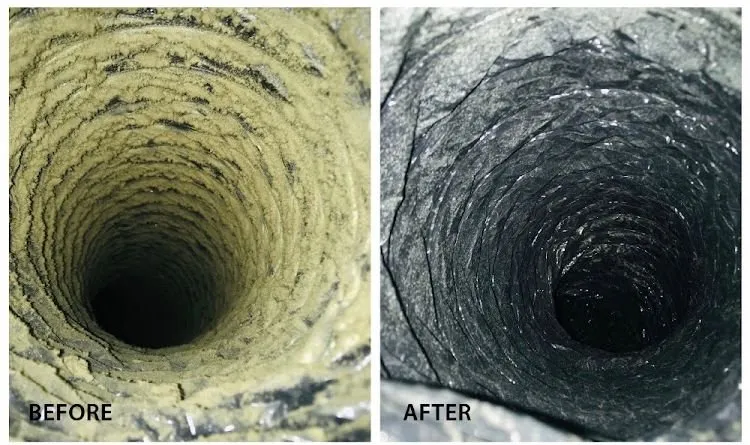
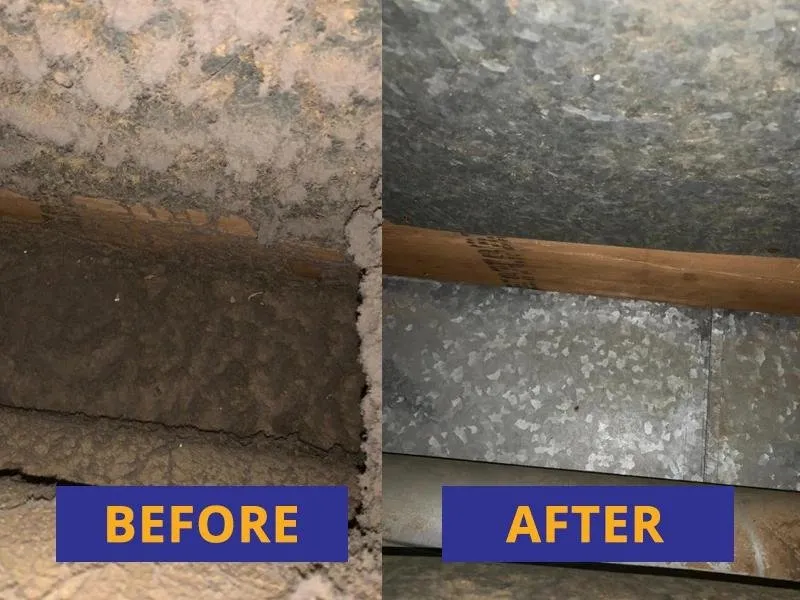
When the cap can't open fully, the whole system backs up. Air slows down, lint settles inside the duct instead of blowing out, and the dryer runs longer to finish a load. The U.S. Fire Administration lists a vent flap that doesn't open properly among the signs that a dryer vent needs attention, along with clothes that take longer to dry and a dryer that gets unusually hot.
What wooded lots add to the problem
Needles, seeds and leaves
Debris from overhanging branches gathers on top of and around the cap. On louvered caps, it can wedge between the slats. Fall windstorms push more of it right up against the wall.
Moss and damp siding
Shady walls stay wet longer, and moss and algae grow readily in our climate. A cap on a north-facing or heavily shaded wall can develop a green film that makes the flap stick. Lint is slightly damp when it leaves the dryer, and it clings to wet surfaces instead of blowing away.
Nests
Birds look for sheltered openings in spring, and an outdoor vent with a flap that hangs partly open can look like an ideal spot. Rodents and insects sometimes move in too. A nest inside a vent can block it almost completely, often without any sign from indoors other than longer dry times.
Low clearance
On many homes the vent exits close to the ground, behind shrubs or under a deck. Leaves, soil and plant growth crowd the opening and are easy to miss.
A quick seasonal check you can do
You don't need tools for most of this. Try it in spring and again after leaf fall.
- Run the dryer on a heat setting and go outside to the cap.
- Feel for airflow. You should feel a strong, warm stream. Weak or barely warm air means something is restricting the line.
- Watch the flap or louvers. They should open fully while the dryer runs and close when it stops.
- Look for lint on the siding, the cap, or the ground below it. Some lint is normal, but a lot suggests buildup.
- Clear what you can reach. With the dryer off, remove needles, leaves and moss from the outside of the cap. Don't push debris back into the duct.
- Trim plants so there are several inches of clear space around the opening.
If you find a nest, don't run the dryer until it's removed. If it's deep inside the duct, it's usually best to have the line professionally cleaned rather than pulling at it from outside.
Choosing the right cap
Some cap styles hold up better than others on a wooded lot. A cap with a single gravity flap tends to be easier to keep clear than one with many narrow louvers. Many guards meant to keep animals out also catch lint, so a guard that isn't cleaned regularly can become the clog. If you replace a cap, choose one meant for dryer exhaust and keep it accessible for cleaning. When in doubt, follow your dryer manufacturer's installation instructions for vent material and termination.
Inside, the same rule applies: the U.S. Fire Administration advises cleaning the lint filter before or after every load, and using rigid or flexible metal venting rather than plastic or foil accordion-style ducts.
When the cap isn't the whole story
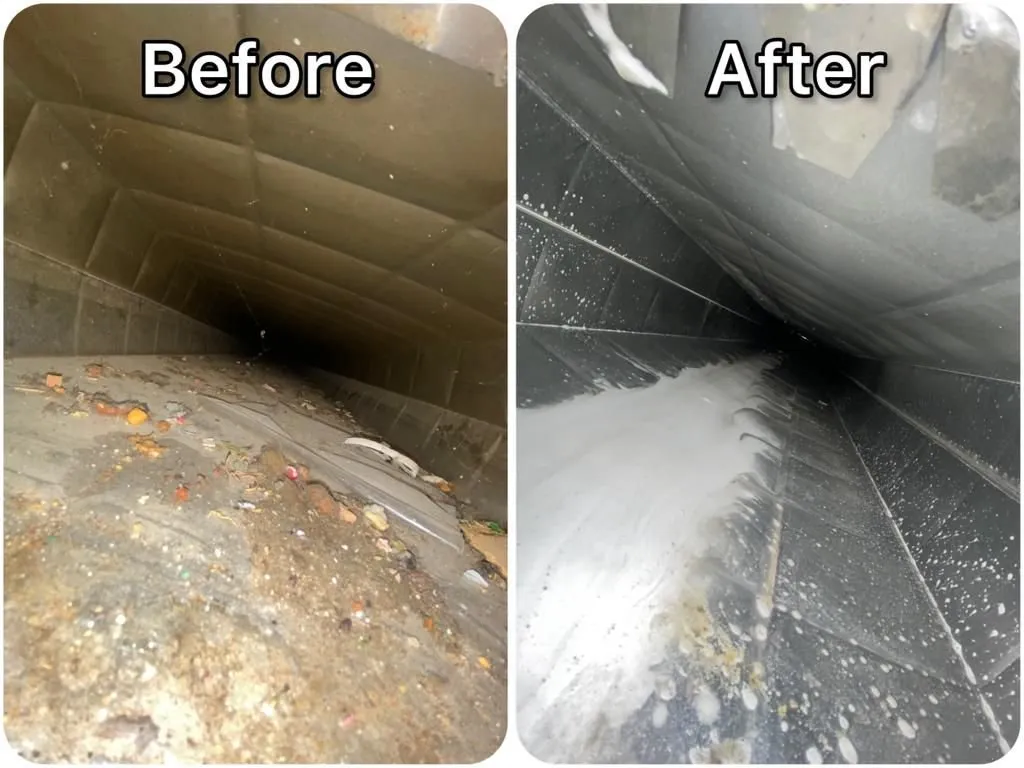
Clearing the cap fixes some problems, but often the duct behind it is also partly blocked. If you've cleaned the outside and your dryer still takes two cycles, or the laundry room still gets hot and humid, the buildup is inside the line.
That's where professional cleaning comes in. Moment Air Duct Cleaning Maple Valley cleans dryer vents from the connection behind the dryer to the outside cap, and checks the line and flap as part of the service. Dryer vent cleaning is $99 for up to 10 feet of vent, plus $15 for each additional foot, with an inspection included. Homes with long runs, roof exits, or vents that pass through a crawlspace may need more footage.
We work across Maple Valley and nearby communities. Learn more about our dryer vent cleaning or see current rates on our pricing page.